
Photographic lighting refers to the physical adjustment of the lighting to achieve a perfect specific effect during photography. Large luminosity is easy to produce large depth of field and clear images; small luminosity is easy to produce small depth of field and blurred motion image effects.
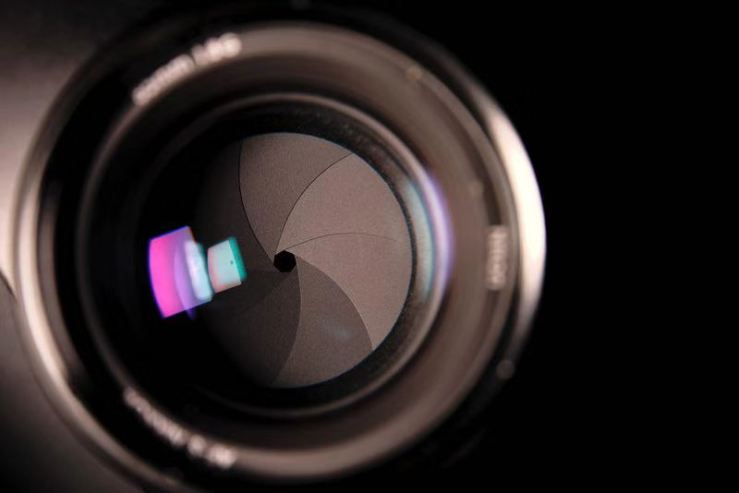
Light position
The light position refers to the irradiation direction of the light source and the position of the light source with respect to the object. In photography, the light position determines the position of the subject’s light and shade, and also affects the texture and shape of the subject. The light position can be varied, but in the case where the position of the subject and the camera are relatively fixed, the light position can be divided into six types: smooth light, side light, back light, top light, foot light, and scattered light.
Light quality
Light quality refers to the hard and soft characteristics of light. The so-called hard, refers to the shadows produced by the light is clear and strong, the contour is clear, the contrast is high; the so-called soft, the shadow produced by the light is soft and unclear, the contour is gradual, and the contrast is low. Hard light has a distinct directionality, which gives the subject a sharp contrast between light and dark, which contributes to the texture. Hard light tends to give people a sense of fortitude and anger. Soft light has no obvious directionality. It is suitable for reflecting the shape and color of objects, but it is not good at expressing the texture of objects.
For the subject, there are often more than one kind of illumination light when shooting, and various light rays have different effects and effects. Light type refers to the effect of various light on the subject when shooting. The light type is usually divided into five types: main light, auxiliary light, contour light, decorative light, and background light.
Main light:
The main light is the main illumination light of the subject, which plays a leading role in the appearance, contour and texture of the object. At the time of shooting, once the main light is determined, the basic illumination and tone of the picture are determined. It should be noted that for a subject, there can only be one main light. If several light sources are used as the main light at the same time, the subject is equally light-receiving, and the main light is not separated, and the picture appears dull; Several main lights produce shadows on the subject at the same time, and the picture appears disorganized.
Auxiliary light:
The main function of the auxiliary light is to increase the brightness of the shadow part generated by the main light, so that the dark part also exhibits a certain texture and level, and at the same time reduces the image contrast. In the application of auxiliary light, it should be clear that the intensity of the auxiliary light should be less than the intensity of the main light. Otherwise, it will cause the effect of the master, and it is easy to appear obvious auxiliary light projection on the subject, that is, “clip light.” “phenomenon.
Contour light:
Contour light is the light used to delineate the outline of the subject. The contour light gives the subject a three-dimensional and spatial sense. Backlighting and side backlighting are often used as contoured light, and the intensity of the contoured light tends to be higher than the intensity of the primary light. The dark background helps the outline light to stand out.
Decorative light:
The decorative light is mainly used to decorate the part of the subject or to display the level of the detail of the subject. The decorative light is mostly narrow light, and the eye light, the light in the portrait photography, and the flare of the jewelry in the commercial photography are typical decorative lights.
Background light:
The background light is the light that illuminates the background. Its main function is to set off the subject, the rendering environment and the atmosphere.
 Jonny's Photography Blog