
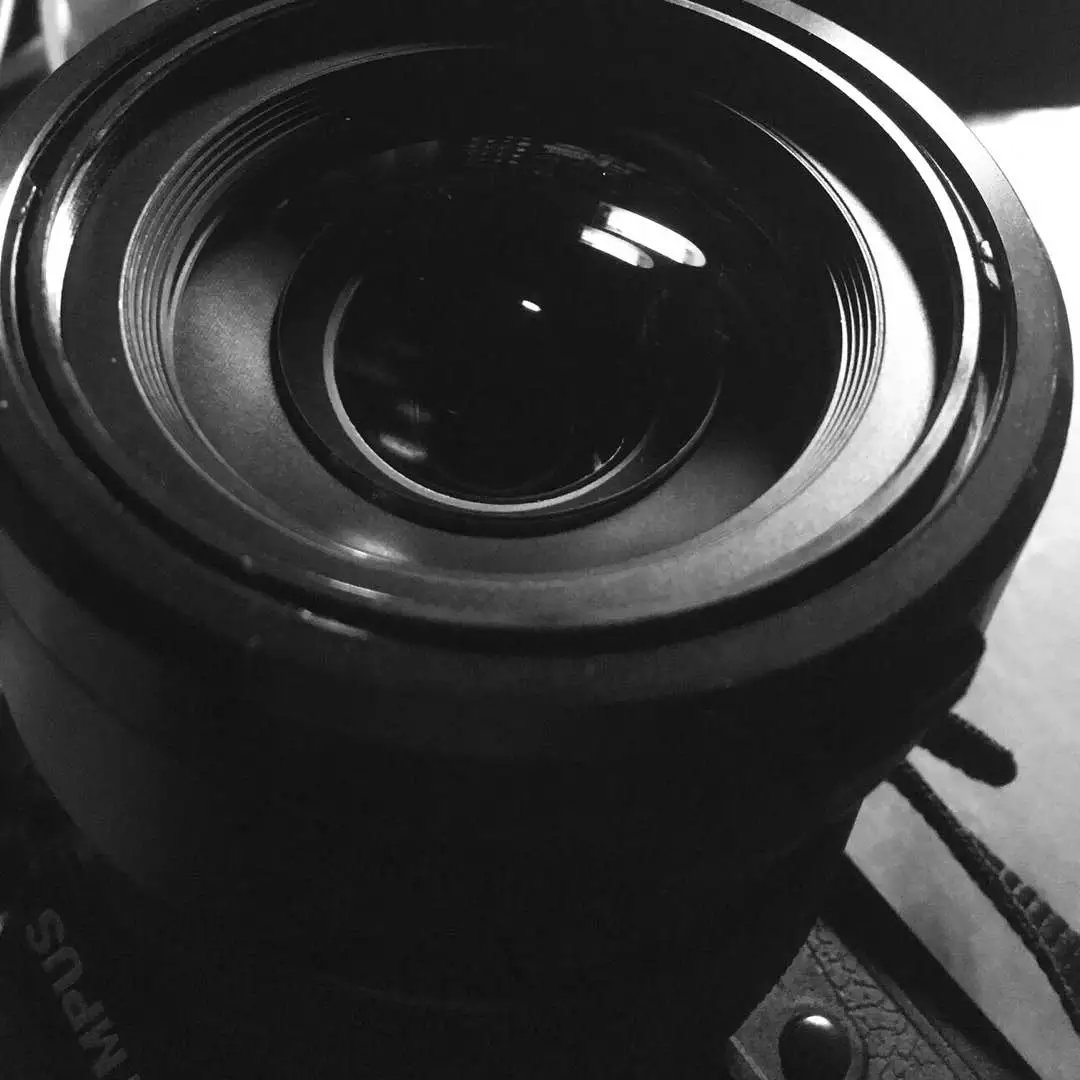
Olympus OM-D E-M1 Mark II

As all of my friends know that I have 11 years of photography experience. My camera is like my loved one, my brother, I don’t like to sell it or never use it for a second time because I bought a new one, so I have several cameras but often use them in turn. Even I have many different camera brands’ cameras, I have to say that my favorite one is Olympus OM-D E-M1 Mark II.
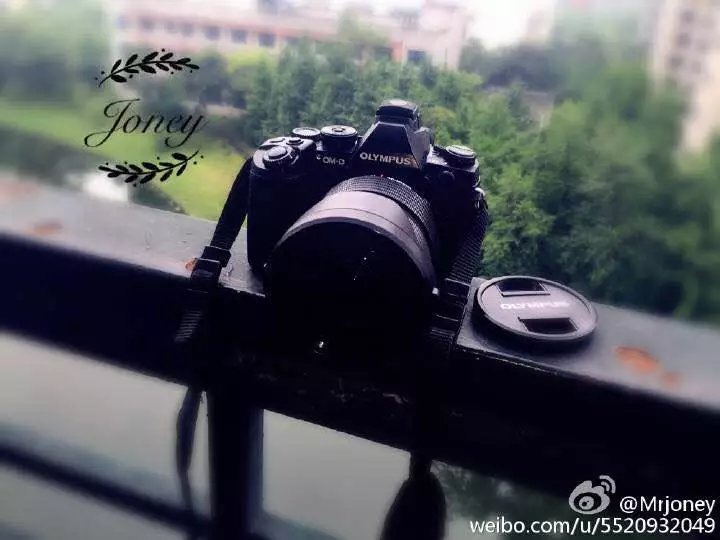
This is my favorite camera, It accompanied me through my university time in China.

This retro-style E-M1 is designed with aluminum-magnesium alloy. Almost the entire body is covered with function keys and turntables. Even the front of the fuselage has preset function keys, depth-of-field preview keys and flash sync jacks. The user completes the shooting settings faster. The top shutter button has a turntable 丶 movie recording button 丶 color creation function button 丶 zoom out dial 丶 mode dial 丶 preset function button 丶 HDR / film mode button 丶 focus / metering mode button and switch button, more special It is the mode dial that adds a lock button for unlocking, and does not need to rotate one side to change the mode setting. AEL / AFL keys and controls are added to the back of the machine. Other buttons include Info 丶 arrow keys 丶 menu button 丶 play button 丶 delete button and display button. Of course, there are 2.36 million electronic viewfinders and 3 1.04 million Point flip touch screen.

In order to take care of the user’s long-term camera, the back of the machine and the position of the handle are also rubberized, and the handle of the E-M1 is also thickened to increase the comfort of the hand, mimicking the hand of the SLR, but also the overall shape. Become a mix of vintage and modern, I hope that Olympus can design a better looking model in the future! In terms of interface, E-M1 uses Olympus high-order non-reverse operation, and it is very convenient to set on the shooting interface.
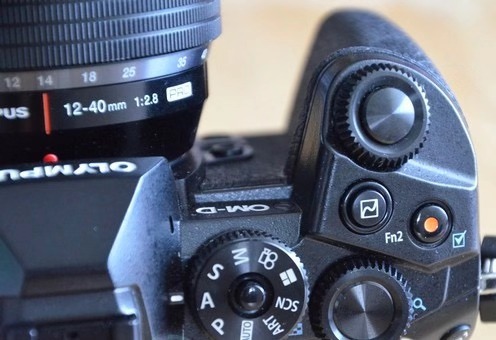
E-M1 is designed with aluminum-magnesium alloy body to achieve dust-proof, waterproof and cold-resistant function. With comfortable handlebars, the solid feel is the same as that of ordinary SLR. The lightweight body is more suitable for long-term use. For photography, it is the time-contested user, the E-M1 button turntables definitely help them speed up the operation. However, for users who are accustomed to one-handed operation settings, the reconfigured button positions take some time to adapt. It is worth mentioning that the rearranged turntable position makes the shooting smoother, the tightness is moderate, it is not too easy to push, and it is not too difficult to rotate. In addition, if the fuselage is used with some long lenses, there will still be a feeling of heavy head and tail, which makes the balance feel a little worse.

Wi-Fi function
Although we know that the E-M1 is faster when it starts Wi-Fi, we still appreciate the Wi-Fi control and transmission that Olympus has added to it. First, the camera will display the QR Code on the Wi-Fi startup screen. After the phone scans, enter the password to connect the camera. Next, download the Olympus Image Share program from the Apple Store or Play Store. After launching the program, you will find it provides four functions: Control, Transfer, Photo Editing and Adding Photographs. We can use the following interface to control the camera to shoot in P / A / S / M or iAuto mode, in addition to the shutter 丶 aperture 丶 exposure value 丶 sensitivity 丶 white balance 丶 continuous shooting and touch focus settings, etc. The number of photos stored in the memory card and the focus mode will be displayed!
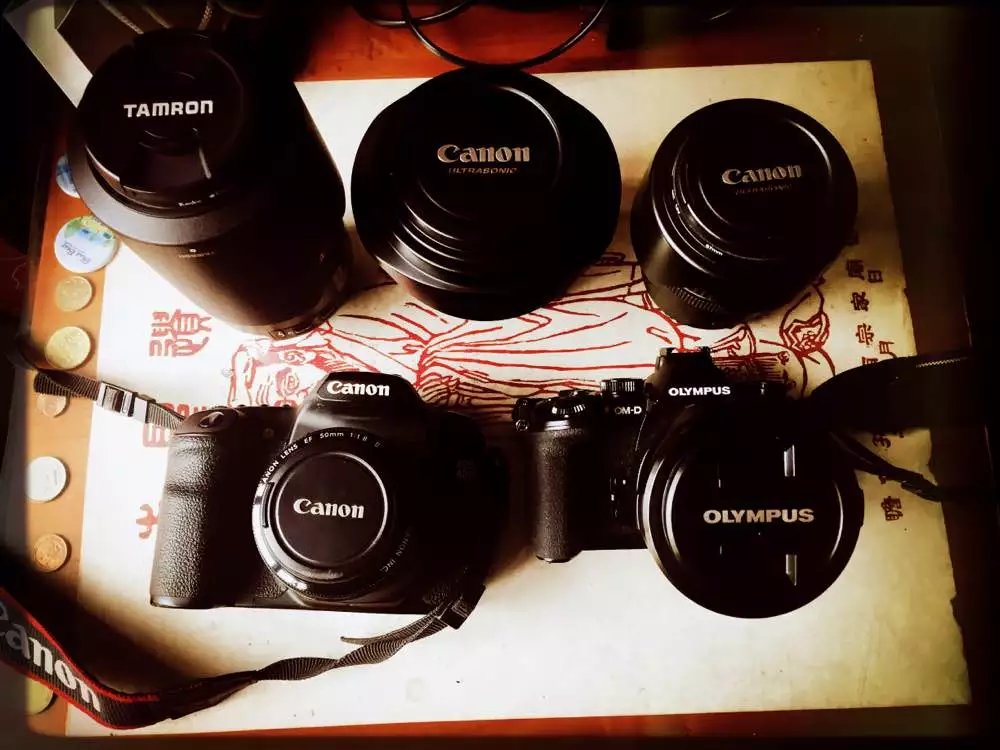
Thanks for 5 years of companionship, my love, Olympus OM-D E-M1 Mark II.
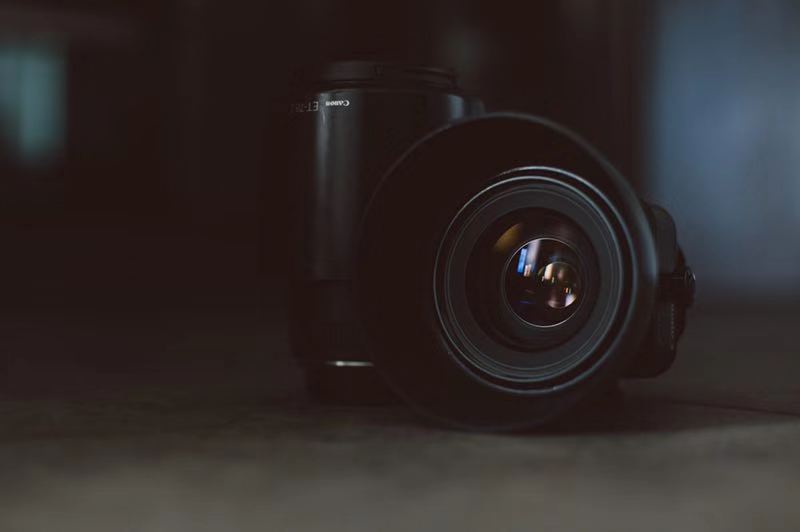
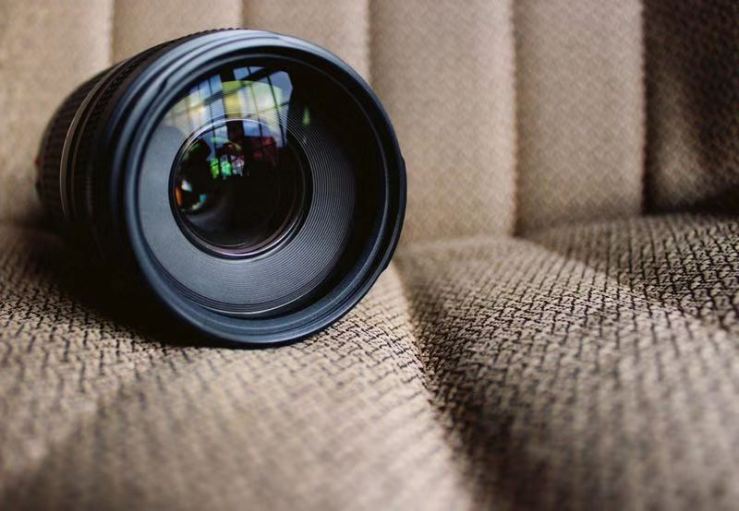
SLR camera

A single-lens reflex camera (SLR) is also known as a SLR camera. It refers to a camera that uses a single lens and that illuminates the mirror through the lens through a reflective viewfinder.
The so-called “single lens” means that the photographic exposure light path and the framing light path share one lens, unlike the rangefinder camera or the double-reverse camera, the framing light path has an independent lens. “Reflective” means that a plane mirror in the camera separates the two paths: when the viewfinder is down, the mirror falls, the light from the lens is reflected to the pentaprism, and then to the viewfinder; the mirror is lifted up quickly when shooting, and the light can be illuminated to the film. Or on the photosensitive element CMOS or CCD.

DSLR is not always a high-end product
2006 was a year of full-scale eruption of the DSLR war. During the year, Sony, Samsung and Panasonic’s three traditional home appliance manufacturers collectively entered the DSLR market, while traditional manufacturers such as Olympus, Nikon and Pentax also took out their latest low-priced products to deal with them. Intensified product competition, on the other hand, it has greatly enriched the choice of consumers and further reduced the price of entry-level DSLR to freezing point. Although the high-end DSLR products are tens of thousands of yuan, but the entry-level DSLR kit with a lens below 6000 yuan and the single body below 5,000 yuan abound, this price is not a high-end product.
This price has already hit the line of defense for high-end consumer digital cameras. It can be said that since the price separation between DSLR and high-end consumer cameras is not obvious, it will directly shake the choice of consumers who originally intended to purchase consumer cameras. Although the DSLR is slightly larger than the high-end consumer camera, the DSLR’s handling and imaging quality have made a qualitative leap. Plus the ability to replace different lenses as needed, these advantages constitute the absolute temptation of the DSLR single-lens reflex camera. Consumers who choose the most 2000-3000 yuan consumer-grade cameras, although their image quality is also remarkable, but the DSLR can not be equal.

Imaging principle
In this system, the unique design of the mirror and prism allows the photographer to directly view the image through the lens from the viewfinder.
As can be seen in the structure of the single-lens reflex camera, after the light reaches the mirror through the lens, it is reflected to the upper focusing screen and formed into an image. Through the eyepiece and the pentaprism, we can see the outside in the viewing window. Scenery. Light passes through the lens and is reflected by the mirror into the matte viewfinder. The final image appears in the frame through a convex lens and reflected in the pentaprism. When the shutter is pressed, the mirror moves in the direction of the arrow, the mirror is lifted, and the image is captured on the CCD or CMOS, as seen on the viewfinder.
The advantage of a SLR camera compared to a rangefinder camera is that it is WYSIWYG, and the angle of imaging in the viewfinder is the same as the angle of the final sheet. However, compared with the rangefinder camera, the back focus of the SLR camera lens can be simultaneously imaged at the same position of the reflector and the focal plane position of the photosensitive element. It is necessary to generate a false focus before the imaging focal plane, which causes the SLR camera. The structure of the optical lens is more complicated and larger, and the imaging effect is not as direct and transparent as the rangefinder camera. At the same time, the volume of the “reflector” is bulky and bulky.

Demand cause
Do you really need a DSLR?
If you just use the camera to pat the scenery and “sit a visit” commemorative photo, as well as record home entertainment, there is really no need to buy a SLR. DSLR is good, but it is not for everyone because of price and weight. In addition, even if you have a DSLR, it does not mean that you can take good photos from now on. Because DSLR is more powerful, you need to learn more photography knowledge to apply. If you use AUTO for years, the advantages of DSLR will be greatly reduced.
In addition, if you belong to the following situations, then you really need a DSLR.

  1. If you are a professional user, such as a reporter or studio photographer, please choose DSLR.
    Almost at the price of micro-single or outsole digital has fully achieved or comparable to the quality of ordinary DSLR, the difference is only in the operation speed and the convenience of external devices, for portrait shooting without shooting sports or a large number of external flash, DSLR Just a clumsy synonym.
  2. If you have special needs for capturing and need special shooting subjects, please choose DSLR.
    DSLR must be used for the need to take a picture of a celestial body or an external macro lens to take a microscopic world or an externally-shifted lens to shoot a building.