Olympus M.ZD 45mm F1.2PRO evaluation

The design of the M.Zuiko Digital ED 45mm f/1.2 PRO is designed to specifically direct light through the outer edge of the lens to form an image in the foreground while at the same time moving the spherical aberration towards the outer edge of the lens. Gradually tilt the lens to form a feather-like softening effect.
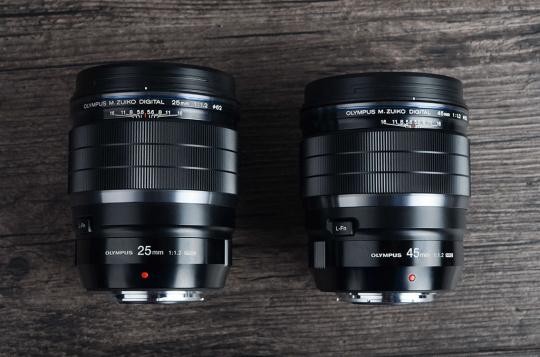
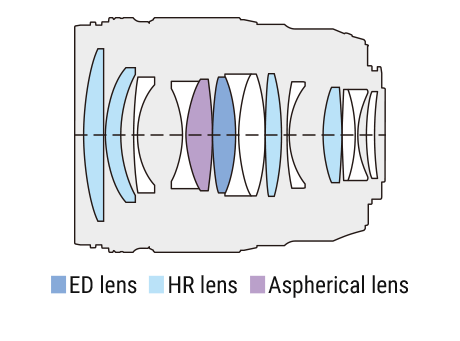
The use of a large number of special lenses creates high resolution performance
The three combined ED lenses can effectively correct the color overflow (axial color difference) and the image edge color overflow phenomenon of the extra-focus portion common to the large aperture lens by optimizing the installation position. In addition, the aspherical lens near the aperture and the four HR lenses can effectively suppress the appearance of coma aberration. For a medium telephoto lens, optimizing the position of the lens, successfully created a feather-like feminine blur effect and accurate high-sharp imaging performance under the maximum aperture setting.
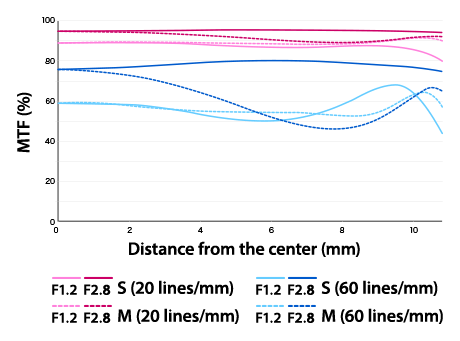
Olympus has created a lightweight focusing unit. The mechanism consists of a screw drive mechanism as the core drive system and a stepper motor as the drive motor for fast autofocus. M.ZD 45mm F1.2PRO has excellent close-range shooting performance of the PRO series, and its closest focusing distance and shooting magnification are 50cm and 0.1x respectively (35mm equivalent: 0.2 times). The ability to take close-ups alone is extremely good for “85mm”.

The M.ZD 45mm F1.2PRO has few side buttons and only one L-Fn (custom function) button. Users can customize it through the body, such as AF stop (default), AE-L/AF-L, preview, custom white balance, AF area selection, MF, RAW switching, test images and other functions. Once the customization is successful, simply press the button to activate or deactivate the target function.

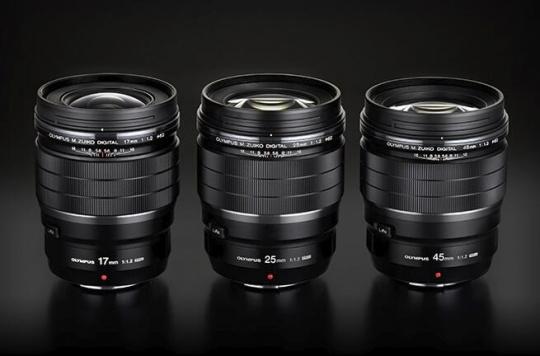
Obviously for Olympus, the high-end models of the OMD series have become the focus of the camera department’s profit, and in order to attract high-end users, the F1.2 large aperture lens group is also a successful thing. Now 17mm, 25mm, 45mm have been released, can meet the high-end user humanities, portraits. For Olympus, the “F1.2 Legion” will either develop to the wide angle or develop towards the telephoto. I thinks that Olympus has a wide angle of M.ZD 12mm F2.0 and Panasonic LEICA DG SUMMILUX 12mm f/1.4 ASPH. The size of the front should be lower than the first one. It is likely that M.ZD 12mm F1.2 Pro will appear in the future.
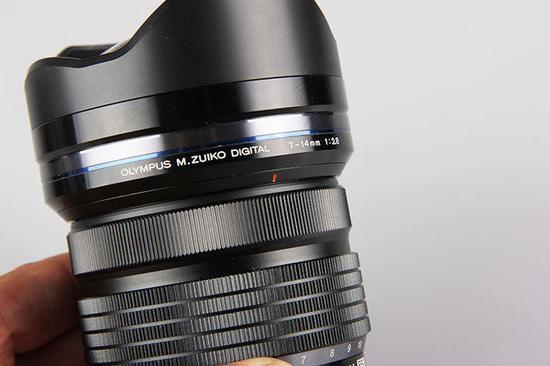
Top super wide angle Olympus 7-14mmF2.8PRO experience

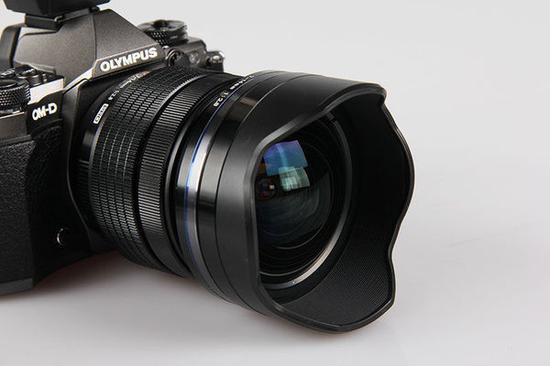
As the highest-quality PRO series lens of Olympus’ M4/3 system, the new M.ZUIKO DIGITAL ED 7-14mm f/2.8 PRO continues the professional design of miniaturization and dustproof and splashproof, and also shows excellence. The optical performance has successfully solved the problems of distortion, chromatic aberration and glare of the super wide-angle lens. The release of this lens will better meet the creative needs of professional photographers and high-end users in the field of outdoor landscape photography. In conjunction with the previously released 12-40mm F2.8 PRO and 40-150mm F2.8 PRO lenses, Olympus has successfully achieved an unprecedented “big three” lens combination in the field of miniature single power, one from super wide angle to telephoto end. The full focal length constant large aperture lens solution is perfectly presented.

In addition, Olympus M.ZUIKO DIGITAL ED 7-14mm f/2.8 PRO is the first ultra-wide-angle lens with F2.8 large aperture in the M4/3 system lens group (including Panasonic and Sigma), the volume and weight are only 60% of the full-frame SLR lens can fully exploit the portable potential of the micro-camera. Compared with the previous ED 7-14mm F4 lens, the new 7-14mm F2.8 PRO takes advantage of the large aperture and the powerful 5-axis anti-shake capability of the OM-D. When you get a higher-grade security shutter, you can do a great job of shooting a wide-angle night scene that photographers dream of.

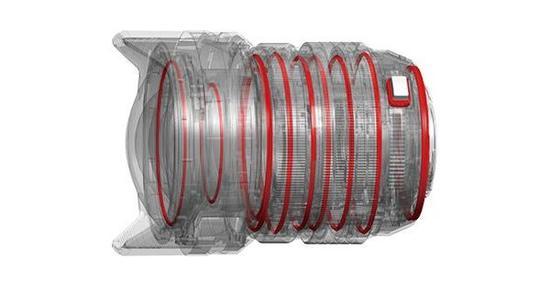
Moreover, Olympus M.ZUIKO DIGITAL ED 7-14mm f/2.8 PRO continues the robust and compact design concept of the PRO series lens. The dust-proof and splash-proof structure can effectively prevent dust or water from entering, and cooperate with OM-D E-M1. Or the dust-proof and splash-proof body of the E-M5 Mark II can easily meet the challenges of various harsh environments, providing further protection for outdoor photographers and enthusiasts.

The dust-proof and splash-proof construction is specially sealed at 11 locations.


As the top ultra-wide-angle zoom lens of the current M4/3 system, the volume of the Olympus M.ZUIKO DIGITAL ED 7-14mm f/2.8 PRO is greatly reduced compared to the full-frame type of focal length lens, but Compared with most M4/3 system lenses, there is still a little bit of it. This is understandable for the quality of the image. The overall body of the mirror is black, and the compact and high-quality mirror design is more textured. With the Olympus E-M5 Mark II, the size is also very comfortable, and of course, if it is a PEN series body, it may look a little uncoordinated.

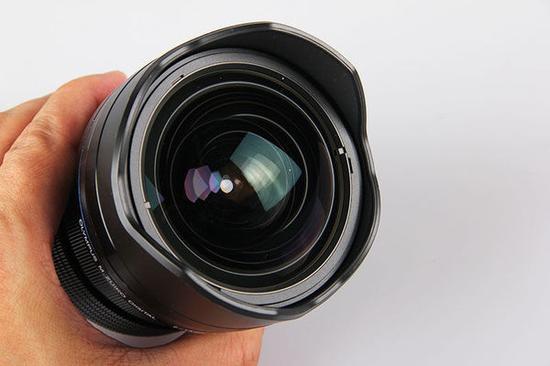
The PRO series lens can be said to be a pile of materials. Basically, Olympus’ optical technology will be reflected in this series of lenses. The iconic ZERO (Zuiko Ultra Low Reflection Optics) coating, a large number of aspherical mirrors (DSA lenses, Super ED lenses, ED lenses, EDA lenses and HR lenses) also help the lens maintain its professional flagship optical quality, at least In theory, it can solve the problems of chromatic aberration, ghosting, distortion and glare that affect the super wide-angle lens. The specific performance depends on the actual shooting.

I already used this Lens for very long time, I love it.